August 17, 2026
As the frost recedes and the days grow longer, homeowners everywhere begin to feel the familiar pull of the approaching spring season. It is a time of renewal, vibrant growth, and spending long, pleasant afternoons breathing in the fresh air. However, before you can dive headfirst into planting beautiful flower beds or trimming back overgrown hedges, you must properly prepare your workspace. Opening the shed after a long, cold winter can feel a bit overwhelming, especially if things were hastily put away during the very first snowfall. A systematic approach to waking up your storage space will save you a tremendous amount of time and frustration. Taking a few dedicated hours right now to evaluate your gear ensures a seamless transition into the busy growing season. When your outdoor tools are in pristine condition, every single landscaping project becomes significantly easier and much more enjoyable. This comprehensive guide will walk you through the essential steps to prepare your shed, ensuring that you are completely ready to tackle the lush spring growth immediately.
Step 1: Clear Out the Clutter and Clean the Space
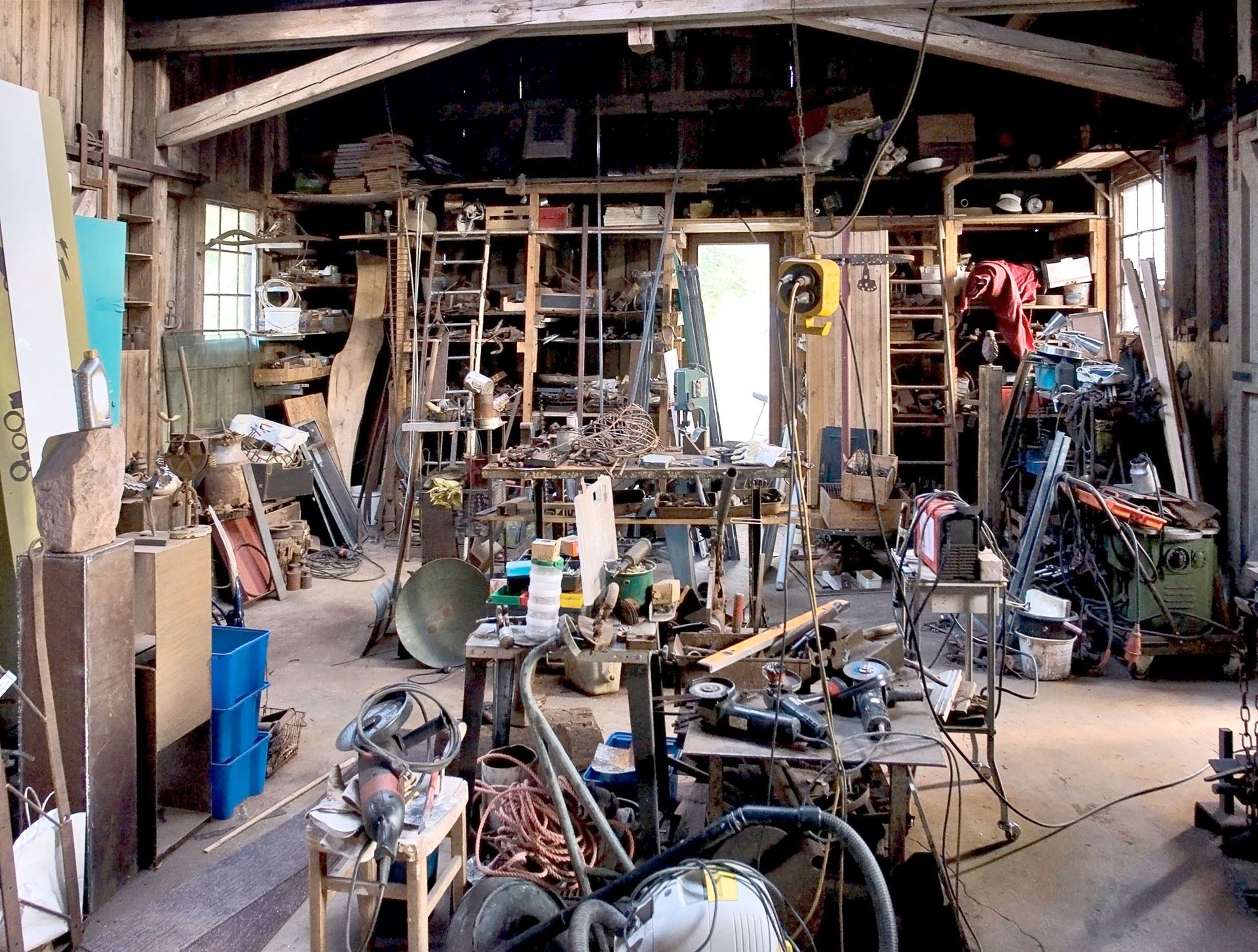
The very first action you must take is to completely empty the shed of its contents to thoroughly assess the physical space. Over the dark winter months, storage areas easily accumulate thick layers of dust, stray leaves, and sometimes even small pests seeking refuge from the freezing temperatures. Move all of your larger items, heavy bags of soil, and outdoor tools into the driveway so you have ample room to maneuver. Once the floor is completely clear, sweep vigorously into every single corner and wipe down the shelving units with a mild household cleaner. Check the walls and ceiling for any structural damage, water leaks, or distinct signs of nesting mice. A clean and empty room always provides a perfect blank canvas for much better organization. Take this excellent opportunity to discard cracked pots, expired liquid fertilizers, and empty seed packets that are merely taking up valuable real estate. Returning items to a freshly sanitized space instantly makes the environment feel more welcoming. A tidy storage area is the vital foundation of a highly efficient spring gardening routine, ensuring that you never waste precious daylight searching for misplaced items.
Step 2: Inspect and Assess the Condition of Everything
With a pristine storage space perfectly ready, turn your undivided attention to the items resting in your driveway. A thorough visual inspection is entirely necessary to determine exactly what is ready for immediate use and what requires serious attention. Look very closely at the wooden handles of your rakes, shovels, and hoes for any dangerous splinters or deep structural cracks. Examine the metal heads of these exact items for spreading surface rust, which can quickly degrade the strong material if simply left unchecked. For your motorized outdoor tools, explicitly check the rubber belts for dry rot and ensure all electrical cables are securely connected without any dangerous fraying. Moisture easily creeps into enclosed storage spaces during the winter, making sensitive metal and rubber components particularly vulnerable to quiet, steady degradation. Identifying a small patch of rust or a tiny wooden crack right now prevents it from becoming a catastrophic failure while you are actively working in the dirt later. Carefully sort your gear into distinct piles: one for items that are perfectly fine, one for items needing minor maintenance, and one for items that are severely damaged and require immediate intervention.
Step 3: Perform Essential Maintenance and Sharpen Blades
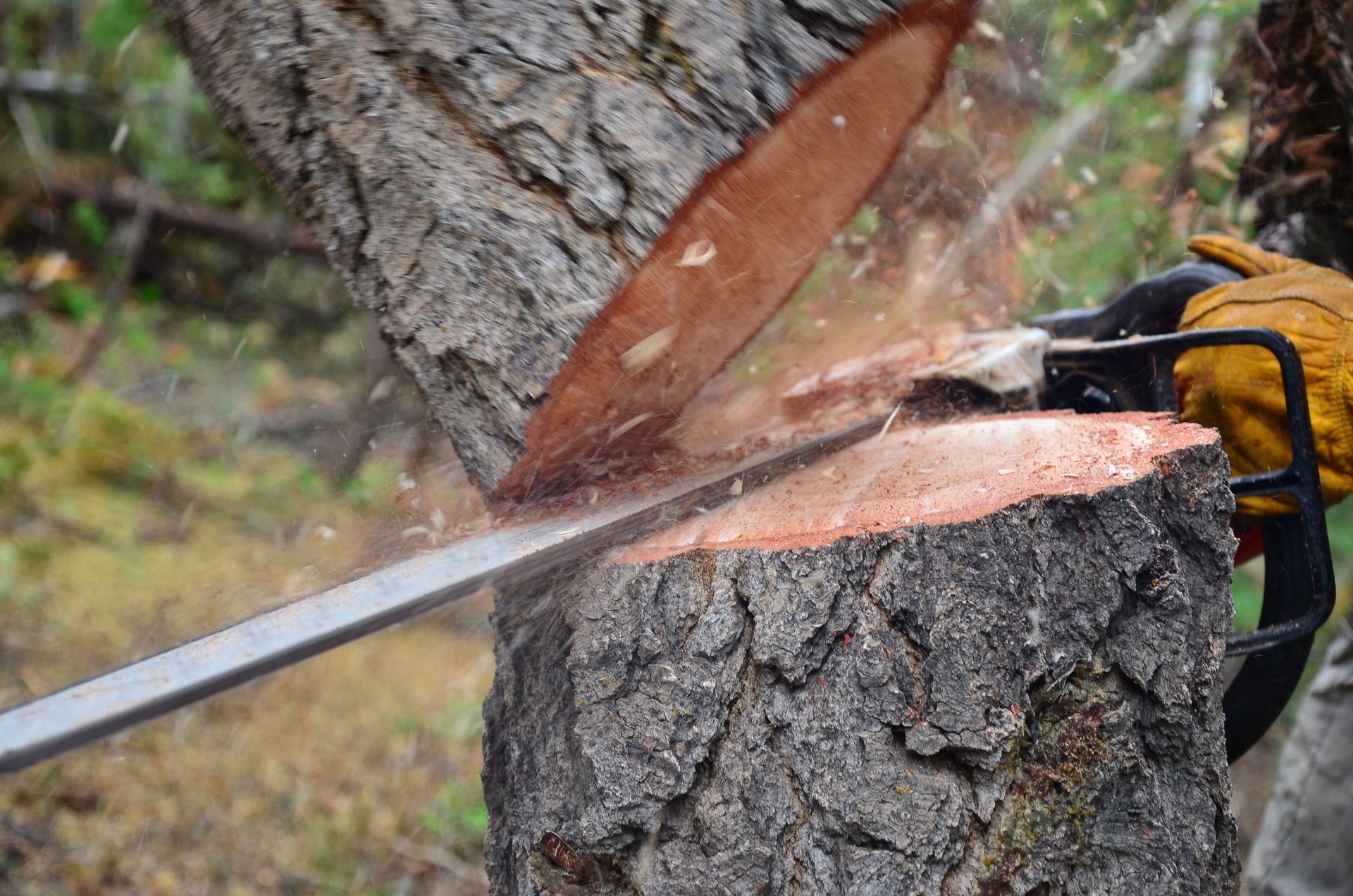
After successfully completing your detailed sorting process, it is time to perform essential maintenance on the items that need just a little bit of extra help. Routine mechanical upkeep is arguably the most important aspect of properly waking up your shed. For any manual equipment boasting a sharp cutting edge, such as hand pruning shears, sturdy loppers, and flat digging spades, you must focus heavily on restoring their absolute sharpness. A dull metal blade requires significantly more physical exertion to use and can severely damage the delicate plant stems you are trying to trim cleanly. Use a high-quality metal file to firmly bring back a remarkable edge, and rub a light coat of lubricating oil over the exposed metal to naturally repel future moisture. Motorized outdoor tools will likely need their dark engine oil changed, dirty air filters replaced, and spark plugs checked for heavy carbon buildup. If you accidentally left liquid fuel in the gas tanks over the long winter, drain it completely and add fresh fuel to prevent the engine carburetor from painfully gumming up. Dedicated maintenance guarantees peak operational performance, ensures your personal safety while working, and dramatically extends the overall lifespan of your valuable landscaping investment.
Step 4: Repair or Replace Severely Damaged Equipment
During your thorough inspection and routine maintenance phases, you will inevitably encounter specific items that are completely beyond a simple, quick tune-up. This is the crucial moment to firmly decide whether an item warrants a complex, expensive repair or if it should be permanently replaced entirely. If a wooden shovel handle is merely rough to the touch, a quick sanding and a heavy coat of linseed oil will easily suffice. However, a deeply fractured handle is a massive physical safety hazard that must be completely replaced before any further use. Operating structurally compromised yard gear often leads to severe physical injuries, so you must never intentionally ignore obvious structural faults. If a gas-powered engine flatly refuses to start despite your very best maintenance efforts, you may need to consult a small engine mechanic or purchase a brand-new unit entirely. When making these tough decisions, always realistically weigh the extremely high cost of replacement components against the retail price of a modern, brand-new model. Relying on unreliable outdoor tools will only cause intense frustration and completely derail your weekend projects, so do not hesitate to retire items that simply cannot perform their specific duties safely and effectively anymore.
Step 5: Organize the Shed for Maximum Efficiency
Now that absolutely everything is clean, visually inspected, successfully repaired, and fully maintained, you can begin the highly satisfying process of returning items to the shed. Thoughtful, deliberate organization is the ultimate key to maintaining an incredibly efficient workflow throughout the entire spring and summer. Group functionally similar items together so you always know exactly where to look for a specific, needed item. Utilize sturdy wooden or metal wall pegboards to securely hang smaller hand items, keeping them easily visible and completely off the dirty floor. Place heavy bags of potting soil or granular fertilizer on reinforced lower shelves to actively prevent dangerous, accidental tipping. As the beautiful weather continues to steadily warm, your primary daily focus will swiftly shift toward rigorous, ongoing lawn care. According to NASA, lawns cover three times more surface area in the United States than irrigated corn fields. Managing that massive amount of rapidly growing grass requires having your heavy riding mowers, nimble string trimmers, and vital outdoor tools positioned right near the front doors for instant, easy access. An intelligently organized space entirely eliminates the frustrating hunt for misplaced items and allows you to dive straight into your outdoor projects with absolute confidence and ease.
Waking up your garden shed after a very long, dark winter certainly requires a dedicated block of time and a bit of genuine physical effort, but the massive functional payoff is absolutely undeniable. Proper early preparation establishes a deeply positive, highly productive momentum for the entire growing season, allowing you to easily maintain a beautiful, healthy property without constantly suffering through avoidable mechanical breakdowns or frightening daily safety hazards. Your outdoor tools are remarkably vital partners in all of your extensive gardening efforts, and treating them with immense daily care guarantees they will serve you faithfully for many demanding seasons to come. If you quickly discover that you need to completely upgrade your current equipment or are actively looking for reliable, professional-grade gear, call Northwoods Power Equipment LLC to learn more about our full inventory.