June 15, 2026
Owning and operating a handheld woodcutting machine brings immense power and efficiency to property management, forestry, and firewood preparation. Whether clearing fallen timber after a severe storm, pruning overgrown hardwood branches, or felling large trees for winter fuel, these robust mechanical devices save countless hours of manual labor. However, that immense cutting capability comes with significant operational responsibility. A mechanical cutting tool is only as reliable, efficient, and safe as the upkeep it receives. Neglecting routine care leads to poor performance, excessive engine wear, and severe operational hazards that jeopardize the longevity of your outdoor power equipment investments.
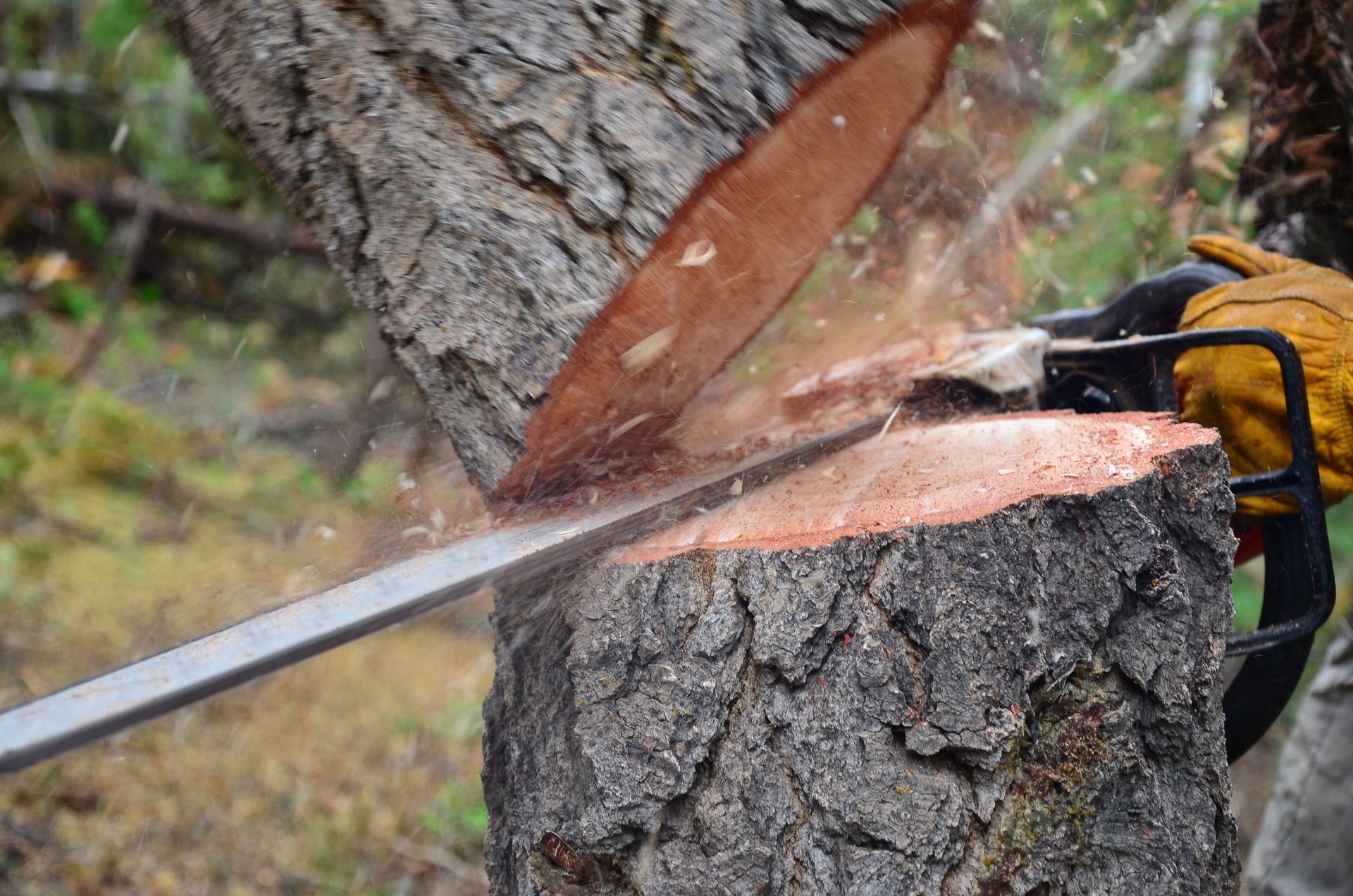
Understanding the internal mechanics and external components of your cutting system is fundamental to responsible ownership. Every part of the assembly works in perfect harmony to convert fuel or electrical energy into raw, kinetic cutting force. When a single component is compromised by debris, dullness, or improper tension, the entire system suffers. According to Clemson University, a chainsaw's chain spins at 55-60 miles per hour. At this remarkable velocity, even minor mechanical imperfections or lubrication failures can escalate into catastrophic equipment damage or profound personal injury within a fraction of a second. Consequently, treating this outdoor power equipment with the utmost respect means prioritizing a disciplined maintenance philosophy.
Regular maintenance routines transform the way you interact with your machinery, shifting your experience from frustrating mechanical struggles to seamless, productive outdoor sessions. Proactive care ensures that the engine breathes clean air, the cutting teeth glide smoothly through dense wood fibers, and the built-in safety features remain fully functional to protect your well-being. By treating your machinery with a structured approach, you maximize the lifespan of your gear, lower long-term repair costs, and ensure that your mechanical asset is always ready to perform when duty calls. This comprehensive guide outlines the foundational practices required to keep your outdoor power equipment in pristine, peak operating condition.
Maintaining Proper Chain Tension
Adjusting the tautness of the cutting loop represents one of the most frequent and critical tasks during any woodcutting operation. A loop that clings too tightly against the guide bar creates immense friction, overloading the engine, overheating the metal, and potentially binding the entire mechanism. Conversely, a loop that hangs too loosely can easily derail from the track while moving at peak velocity, causing severe damage to the chassis and presenting an immediate danger to the operator. Achieving the perfect balance requires checking the tension before every single ignition and making adjustments throughout the day as the metal expands from operational heat.
To evaluate the tension accurately, pull the loop downward from the middle of the guide bar to see if the drive links remain fully engaged within the bar groove. A perfectly tensioned loop will snap back snugly against the underside of the bar when released, yet it should still spin freely around the track when pulled by a gloved hand. If adjustments are necessary, loosen the bar retention nuts slightly, elevate the tip of the guide bar to eliminate natural sag, and turn the tensioning screw until the sag vanishes. Always secure the retention nuts tightly while keeping the bar tip elevated to lock the outdoor power equipment assembly firmly into place.
Sharpening the Cutting Teeth
Filing the individual cutting edges ensures that the machine shears through timber cleanly rather than hacking away via raw, brute force. A dull loop forces the operator to apply excessive downward physical pressure, which strains the structural components, accelerates fuel consumption, and increases the likelihood of dangerous kickback incidents. You can easily diagnose a dull edge by examining the waste material produced during a cut; a sharp edge yields large, clean wooden chips, whereas a dull edge generates fine, powdery sawdust and a distinct burning odor.
Restoring the razor edge requires a round file matched precisely to the pitch of your specific cutting teeth, a file guide to maintain consistent angles, and a flat file to manage the depth gauges. Work methodically along the loop, filing each tooth from the inside out while maintaining the correct specified angle, which typically matches the factory-etched guidelines on the tooth itself. Count your file strokes on the first tooth and replicate that exact count on every subsequent tooth to keep the lengths uniform across the entire loop. Finally, check the height of the depth gauges using a measuring tool, filing down any protruding metal to ensure each tooth bites into the wood at the proper depth. This standard level of care is critical for maximizing the safety and effectiveness of your outdoor power equipment.
Cleaning the Guide Bar
Scouring the metal tracking rail removes the abrasive mixture of packed sawdust, sticky tree sap, and residual chain oil that naturally accumulates during operation. This debris clogs the oil distribution ports, preventing vital lubrication from reaching the high-friction zones along the length of the bar. Over time, a clogged rail causes localized overheating, uneven wear on the bar rails, and premature destruction of the drive links.
Begin by removing the clutch cover, the guide bar, and the cutting loop entirely from the power unit. Use a dedicated rail-cleaning tool or a thin piece of metal to scrape out all compressed grime from the groove running along the perimeter of the bar. Pay special attention to the tiny oil inlet holes near the base of the bar, ensuring they are completely clear so that oil can flow unhindered from the reservoir. Additionally, lubricate the sprocket nose wheel at the tip of the bar if your model features an external grease port, rotating the sprocket manually to distribute the fresh grease evenly throughout this high-wear area of your outdoor power equipment.
Clearing the Air Filtration System
Inspecting the intake system prevents fine wood particulate and airborne dirt from entering the internal combustion chamber. A suffocated engine suffers from restricted airflow, which disrupts the fuel-to-air ratio, reduces total power output, increases fuel consumption, and causes rough idling behaviors. In severe scenarios, microscopic dirt particles bypass a damaged filter, scratching the cylinder walls and destroying the engine permanently.
Access the filter compartment by removing the top shroud of the power unit, taking great care not to let loose debris fall directly into the exposed carburetor throat. Remove the filtration element and gently tap it against a solid surface to dislodge loose dust, or use low-pressure compressed air blown from the inside out to clear the fabric pores. Keeping this pathway clear allows your outdoor power equipment to breathe freely and perform at full power during dense cuts.
Inspecting Safety Features and Spark Plugs
Examining the structural integrity of the built-in safety mechanisms and ignition components represents the final, vital phase of a comprehensive upkeep routine. The front hand guard acts as the manual and inertia-activated brake lever, designed to stop the chain instantly during a violent kickback event. If this mechanism is sluggish, sticky, or cracked, the tool becomes an unacceptable liability to the operator.
Investing time into disciplined maintenance preserves the integrity, dependability, and safety of your heavy-duty cutting tools. A well-maintained machine starts effortlessly, cuts with precision, and responds predictably to your commands, allowing you to conquer demanding outdoor projects with confidence. By implementing these systematic inspection and cleaning habits, you transform your gear from an unpredictable hazard into a reliable, lifelong asset. Let your commitment to mechanical care reflect your dedication to craftsmanship and workplace safety.
We understand that keeping your property immaculate requires dependable, high-performing machinery that never backs down from a tough assignment. As your trusted local partners in premium land management solutions, Northwoods Power Equipment LLC stands ready to support your operational goals with professional diagnostic services, expert sharpening support, and top-tier product lines. Reach out to our dedicated service team today to tune up your essential
outdoor power equipment and experience the unparalleled difference expert mechanical care makes for your next outdoor endeavor.