October 16, 2026
Choosing outdoor power equipment involves more than comparing purchase prices. Lawn mowers, chainsaws, leaf blowers, snow blowers, and other machines have different applications, maintenance requirements, and operating costs. Understanding these factors can help homeowners and commercial users choose local outdoor tools that suit their needs and budget. This article explores how to evaluate equipment options, plan for routine maintenance, consider repair costs, and make informed decisions about replacing existing machinery.
The Practical Considerations of Equipment Ownership
Consider Equipment Durability
When choosing local outdoor tools, consider how frequently you plan to use them, the tasks they need to handle, and the maintenance they will require. Equipment intended for occasional residential use may have different requirements from machinery used regularly for commercial landscaping. Reviewing product specifications and comparing available options can help you select equipment suited to your workload. Routine maintenance and timely repairs can also help you address wear before it affects equipment performance.
Assess Equipment Construction
Before purchasing local outdoor tools, review their specifications, intended applications, and maintenance requirements. Consider whether each machine is suitable for your property and frequency of use. Equipment with moving parts and engine components also needs appropriate upkeep. Understanding these requirements before making a purchase can help you compare options and plan for future maintenance.
Review Warranty Terms
Before purchasing local outdoor tools, review the manufacturer's warranty terms and applicable coverage conditions. Understand which components and repairs are covered, how warranty service is handled, and what documentation may be required. Warranty coverage varies by product and manufacturer, so review the terms for the specific equipment you are considering. Also consider the availability of parts and repair services when evaluating your options.
The Performance and Selection of Equipment
Compare Equipment Capabilities
Different types of local outdoor tools are designed for different workloads. When comparing lawn mowers, chainsaws, snow blowers, generators, or other power equipment, review the specifications relevant to your intended use. Consider the size of the area you need to maintain, the type of work involved, and how often the equipment will be used. According to Popular Mechanics, the strongest leaf blowers can blow up to 200 miles per hour. Comparing product capabilities can help you identify an option that meets your needs without paying for features you may not use.
Match Equipment to the Task
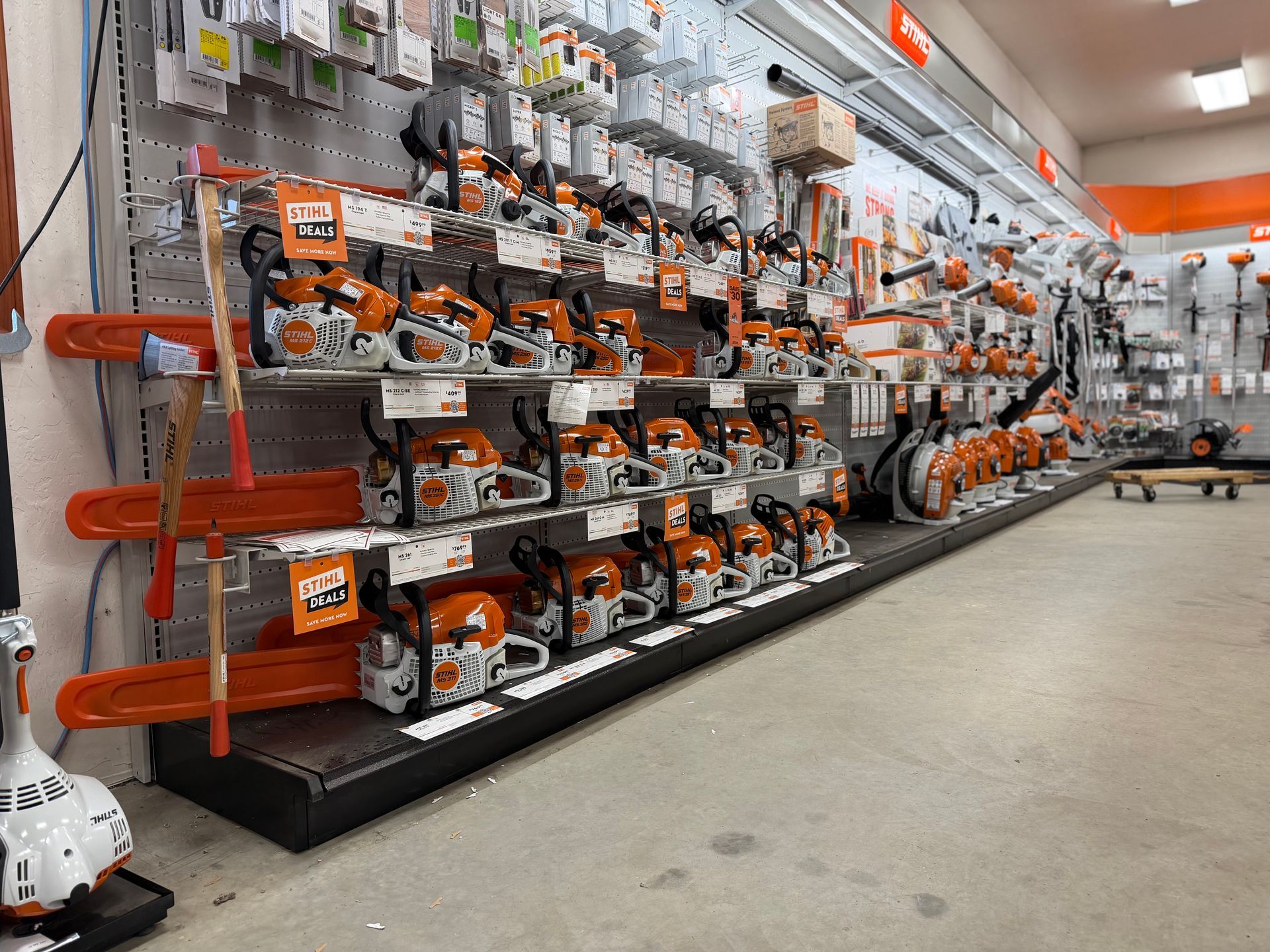
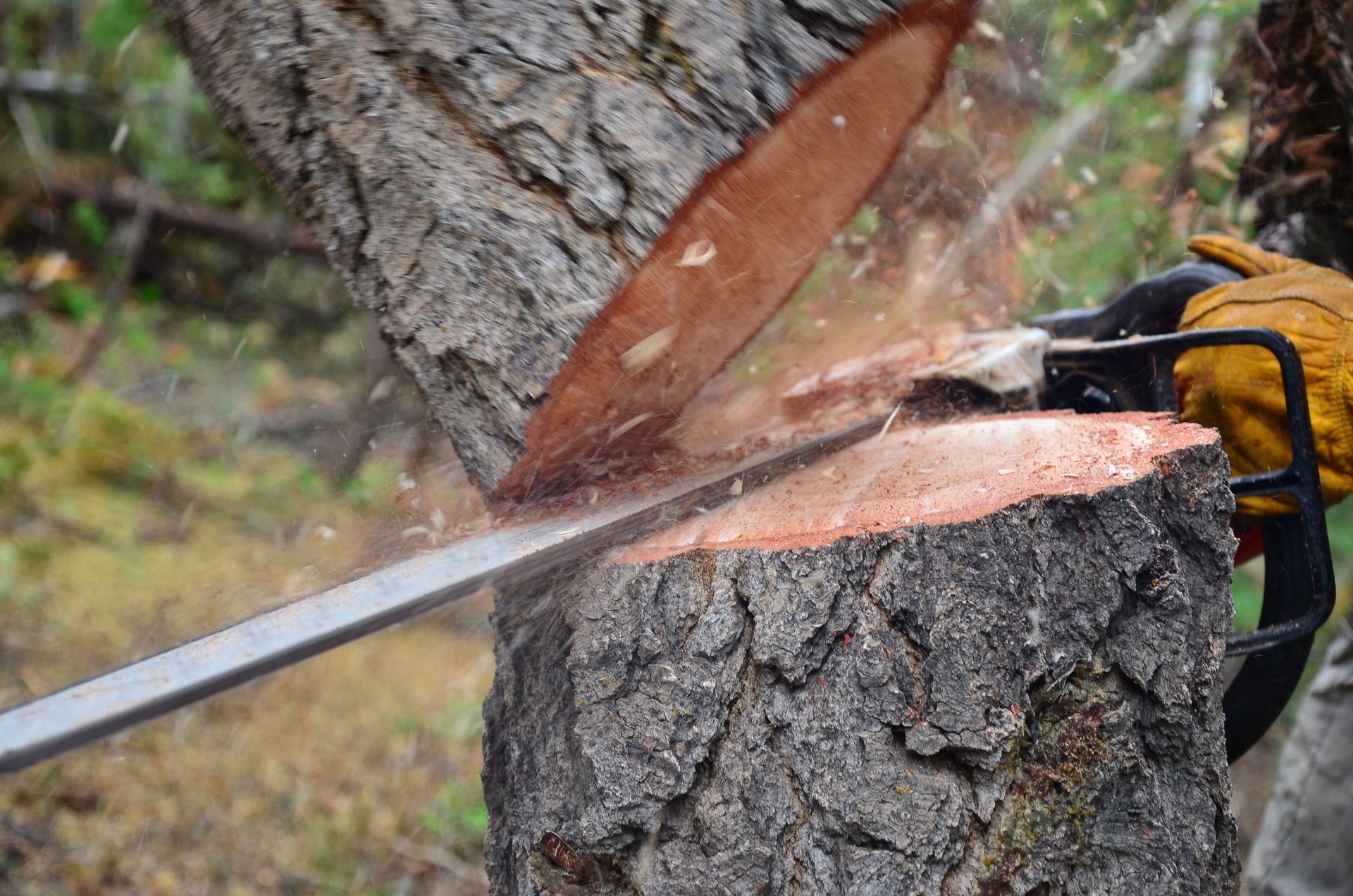
The right equipment depends on the work you need to complete. Lawn mowers are used for maintaining grass, chainsaws for cutting wood, and string trimmers for managing grass and vegetation in areas a mower may not reach. Snow blowers address seasonal snow removal, while other outdoor power equipment serves different property maintenance needs. Identifying the task first can help you compare suitable equipment types and features.
Consider Equipment Workloads
Equipment selection can affect how efficiently you complete routine outdoor tasks. Consider the size of your property, the amount of work involved, and the time available for maintenance. For commercial users, equipment needs may differ from those of homeowners managing smaller properties. Choosing local outdoor tools suited to the workload can help you organize routine tasks and account for maintenance when planning your schedule.
The Safety and Maintenance of Equipment
Review Equipment Safety Features
Before operating outdoor power equipment, review the manufacturer's operating instructions and identify the safety features provided with the specific model. Make sure you understand the controls, recommended operating procedures, and any limitations described in the documentation. Features vary by equipment type, so avoid assuming that a feature available on one machine is included on another.
Address Equipment Malfunctions
Unusual noises, starting problems, rough operation, or other changes in equipment performance may indicate that maintenance or repairs are needed. Stop using equipment if you suspect a mechanical problem, and consult the manufacturer's instructions to determine the appropriate next steps. Having problems diagnosed and addressing them promptly can help you make informed decisions about repairs and continued use.
Follow Equipment Maintenance Guidelines
Follow the maintenance schedule and operating instructions provided for your specific equipment. Depending on the machine, routine upkeep may involve checking fluids, inspecting filters and spark plugs, sharpening blades, or addressing other maintenance requirements stated by the manufacturer. Proper maintenance helps you monitor equipment condition and identify issues that may require professional service.
The Costs of Equipment Repair and Maintenance
Evaluate Repair Costs
Repair costs are an important consideration when deciding whether to maintain existing equipment or purchase a replacement. The appropriate choice depends on the nature of the problem, the condition of the machine, the parts required, and the intended use of the equipment. Having the issue diagnosed can help you understand the work involved and evaluate your options before committing to a repair or replacement.
Check Replacement Part Availability
Before purchasing local outdoor tools, consider the availability of replacement parts for the model you choose. Parts may be needed as components wear or equipment requires repairs. Check whether the appropriate parts can be obtained for your machine and whether special ordering may be necessary. Access to compatible replacement parts can be a useful consideration when comparing equipment options and planning for future maintenance.
Compare Owner and Professional Repairs
Some equipment maintenance tasks can be completed by owners who follow the manufacturer's instructions, while other problems may require professional attention. Consider the complexity of the repair, the tools required, and your familiarity with the equipment before attempting the work yourself. For engine problems, starting failures, fuel system issues, or other mechanical concerns, professional diagnosis may help identify the cause and determine the appropriate repair.
The Financial Planning of Equipment Ownership
Calculate Ownership Costs
When comparing local outdoor tools, consider more than the initial purchase price. Account for routine maintenance, potential repairs, replacement parts, and the equipment's intended frequency of use. The total cost will vary by machine and how it is used. Reviewing these expenses can help you compare available options against your budget and long-term needs.
Balance Price and Maintenance
A lower purchase price may be appealing, but it is worth considering the ongoing costs associated with owning a particular machine. Review its maintenance requirements, the availability of replacement parts, and its suitability for the work you need to complete. A machine that fits your actual needs may be a more practical choice than one with features or capacity you will rarely use. Compare options based on documented specifications and expected ownership requirements.
Consider Future Replacement Needs
Think about how long you expect to keep a piece of equipment and whether your needs may change. A homeowner maintaining a small lawn may have different requirements from someone managing a large property or performing regular commercial work. Choosing equipment that fits your present workload while accounting for foreseeable changes can help you plan future purchases. If you are considering a replacement, compare the condition and repair needs of your current machine with the available alternatives.
Plan for Ongoing Equipment Care
Owning outdoor power equipment involves planning for routine maintenance and addressing problems when they arise. Keep track of the maintenance recommendations for each machine and pay attention to changes in performance. Consider the availability of repair services and replacement parts when choosing equipment. Planning for ongoing care can help you manage ownership responsibilities and make informed decisions when maintenance or repairs become necessary.
Choosing local outdoor tools involves considering their intended use, maintenance needs, replacement parts, and potential repair costs. Weighing these factors can help you find machinery that fits your property, workload, and budget. Regular upkeep and prompt repairs can also help manage ownership expenses over time. To explore equipment options or learn more about our parts, maintenance, and repair services, contact Northwoods Power Equipment & LLC, serving Oconto County, Brown County, and surrounding Wisconsin communities.